"Eating healthy is expensive" is one of the most persistent myths in nutrition culture — and one of the most damaging. It gives people permission to eat poorly because they feel the alternative is financially out of reach. In reality, the most nutritious foods on the planet — dried beans, frozen vegetables, oats, eggs, canned fish — are also among the cheapest.
The truth is that eating healthy on a budget is genuinely possible, especially when you're doing it as a couple. Cooking for two allows economies of scale that solo eating doesn't: you buy ingredients in bulk, cook once and eat twice, and share fixed costs like spices and oils that can otherwise feel expensive per unit.
The Real Cost of Eating Out vs. Cooking In
The comparison isn't even close. A typical restaurant meal for two in the US costs $40–70, often more. A home-cooked meal for two with quality ingredients — lean protein, vegetables, a whole grain — typically costs $8–14 total. That's a 3–5x difference per meal, applied every day.
Two people eating out for lunch and dinner daily could easily spend $2,000–3,000 per month on food. The same couple cooking most meals at home typically spends $300–500 per month on groceries — and eats more nutritiously, with full control over ingredients and portion sizes.
Framed this way, cooking at home as a couple isn't just a health strategy. It's one of the most impactful financial decisions you can make as a household.
The Budget Pantry: High-Nutrition, Low-Cost Staples
A well-stocked budget pantry covers most nutritional needs at a very low cost per serving. Here's what to keep on hand:
- Protein: Eggs (~$3–5/dozen), canned tuna/sardines ($1–2/can), dried lentils and chickpeas (~$2/lb, 10+ servings), frozen chicken thighs ($3–5/lb), cottage cheese ($3–5/16oz), canned beans.
- Carbs: Oats ($2–3/lb), brown rice ($2–3/lb), sweet potatoes ($1–1.50/lb), whole-wheat pasta ($1.50–2/lb), whole-grain bread ($3–4/loaf).
- Fats: Olive oil (buy larger bottles for better value), peanut butter ($3–5/jar), whole eggs (also protein), canned coconut milk for cooking.
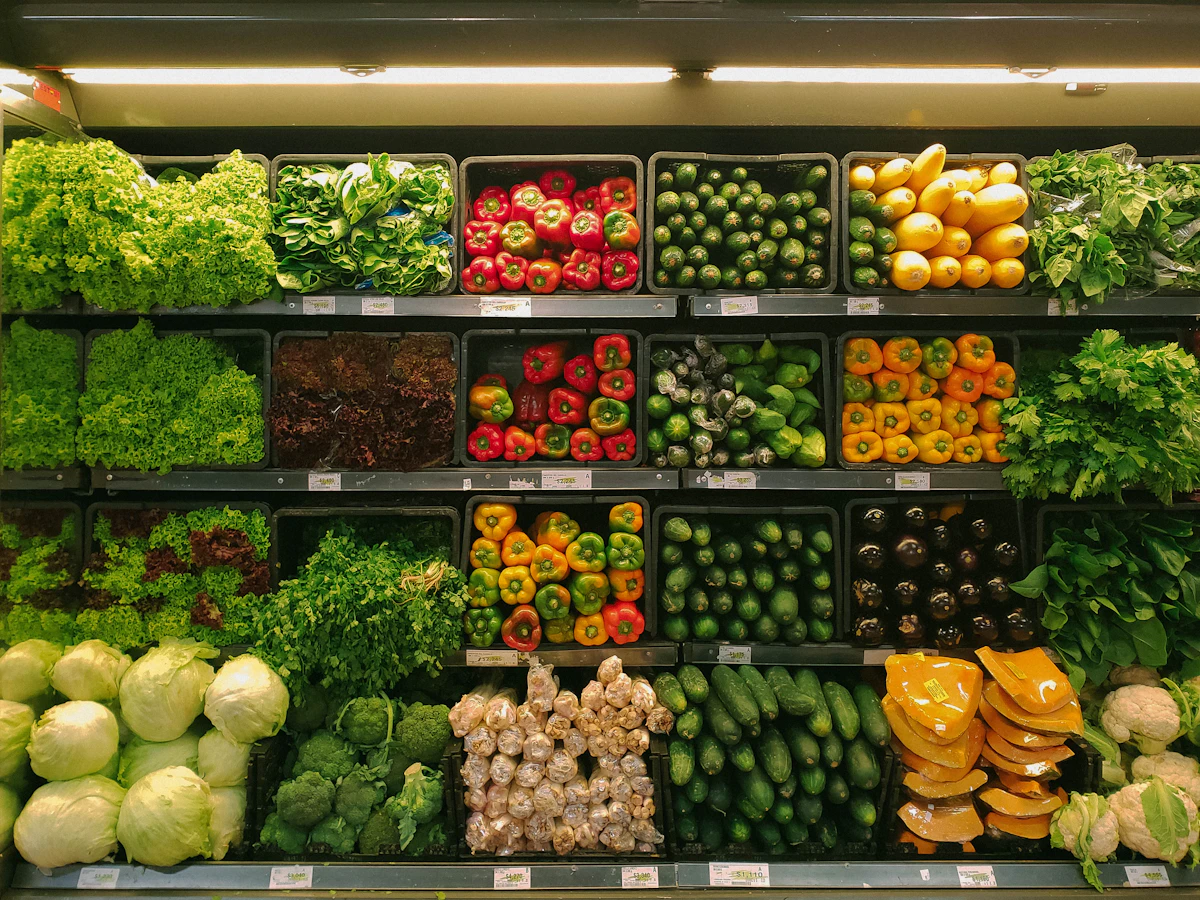
- Vegetables: Frozen vegetables are just as nutritious as fresh and dramatically cheaper. A 1 lb bag of frozen broccoli, spinach, or mixed veg runs $1.50–3. Cabbage, carrots, and onions are the cheapest fresh options and incredibly versatile.
- Flavor: A basic spice rack costs $20–30 upfront and transforms budget ingredients into genuinely good food. Garlic powder, cumin, paprika, Italian seasoning, and soy sauce cover a huge range of cuisines.
Sample Week of Healthy Meals Under $120 for Two
Here's what a full week of nutritious eating can look like on roughly $110–120 in groceries:
- Breakfasts: Oatmeal with frozen berries and peanut butter (daily, ~$1.50/person)
- Lunches: Lentil soup batch-cooked Sunday (Monday/Tuesday), Greek yogurt + fruit (Wednesday/Thursday), egg fried rice with frozen veg (Friday)
- Dinners: Chicken thighs with roasted sweet potato and broccoli · Chickpea curry over brown rice · Tuna pasta with canned tomatoes and spinach · Black bean tacos · Baked salmon (splurge meal, ~$12) with roasted veg
This is genuinely good food — diverse, flavorful, nutritionally complete — for about $60 per person per week.
Batch cooking Sunday dinner for 4 servings instead of 2 gives you both Monday lunch automatically. Two meals for the price of one cooking session is one of the most valuable time-and-money habits you can build.
The Frozen Vegetable Case
This deserves its own mention because the stigma around frozen produce is entirely unfounded. Vegetables are frozen at peak ripeness, often within hours of harvest. The nutritional profile is virtually identical to fresh — in some cases, frozen is actually more nutritious because "fresh" vegetables in the store may have been in transit for days.
A couple eating one bag of frozen broccoli, one of spinach, and one of mixed vegetables per week spends about $5 on vegetables total. That's hard to beat, and there's zero prep waste.
How Tracking Calories Saves You Money
This is a connection most people don't make: calorie tracking is a budget tool as well as a health tool. When you know exactly how many calories you need per day, you can plan your grocery list to match — buying the right quantities without over-buying food that goes to waste.
Food waste is one of the biggest hidden costs in household grocery budgets. The USDA estimates that American households waste 30–40% of their food. A couple who meal preps and tracks — knowing exactly what they'll eat and when — dramatically reduces this waste.
Track Calories. Save Money. Do It Together.
Cal Couple helps you and your partner log meals, hit your calorie targets, and build the habits that make healthy eating on a budget actually work. Free on the App Store.
Download Cal Couple →Smart Shopping Strategies for Two
- Shop with a list built from a meal plan. Impulse buying adds 20–30% to the average grocery bill. A list removes this entirely.
- Buy protein in bulk when it's on sale. Chicken, ground turkey, and fish can be portioned and frozen immediately. Buying a 5 lb bag when it's on sale at $3/lb instead of a 1 lb pack at $5/lb is one of the best savings moves in grocery shopping.
- Choose store brands for staples. For oats, beans, canned tomatoes, frozen veg, and pasta, store brands are nutritionally identical to name brands and 20–40% cheaper.
- Visit the store once a week. More trips = more impulse buys. One planned weekly shop, using a list, is the most budget-friendly approach.
- Eat before you shop. The classic rule exists because it works. Hungry shopping leads to expensive, calorie-dense impulse purchases.
Frequently Asked Questions
- Are organic foods worth the extra cost when eating on a budget? For most people on a tight food budget, no. The nutritional difference between organic and conventional produce is small. Prioritize eating more vegetables overall — buying more conventional produce beats buying fewer organic ones every time.
- What are the cheapest high-protein foods for weight loss? Eggs, canned tuna, canned sardines, dried lentils, chickpeas, and cottage cheese are consistently the most protein-efficient calories per dollar. A dozen eggs provides ~72g of protein for $3–5.
- How much should two people realistically spend on healthy groceries per week? With a meal plan and smart shopping, two people can eat nutritiously for $80–120/week in most US cities. This includes sufficient protein, diverse vegetables, and whole grains for all meals.
- Is meal kit delivery ever worth it for couples trying to eat healthy? Occasionally and strategically — for introducing new recipes, breaking a rut, or a busy week when you'd otherwise default to takeout. As a regular habit, they're 2–3x more expensive than buying the same ingredients yourself.
The Bottom Line
Eating healthy on a budget as a couple is a system, not a sacrifice. Build a pantry of nutritious staples, plan meals together before you shop, cook in batches, and use frozen produce without guilt. The result is food that genuinely supports your health goals, at a fraction of what most couples spend eating out. The expensive food culture is the one you leave behind.